
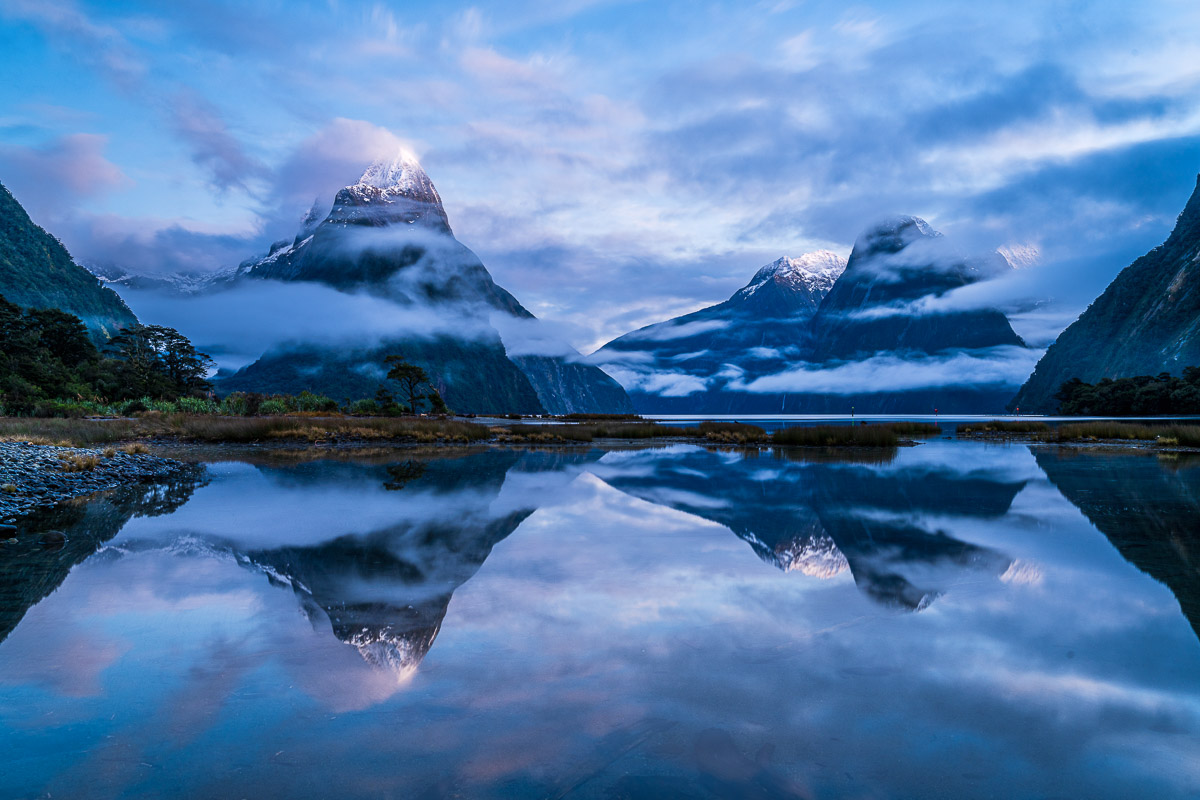
Photograph Milford Sound and the wild landscapes of Fiordland National Park on this four-day workshop, based for three nights in Te Anau with expert landscape photographer Glen Howey.
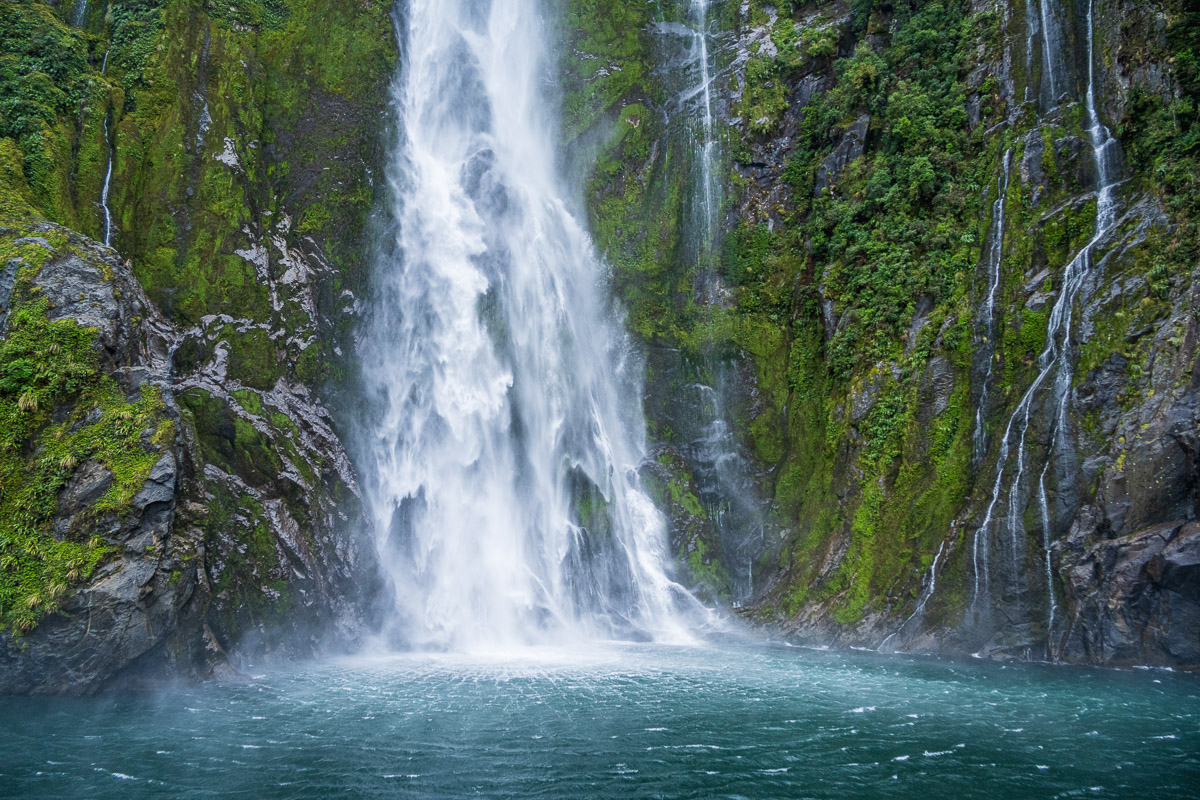
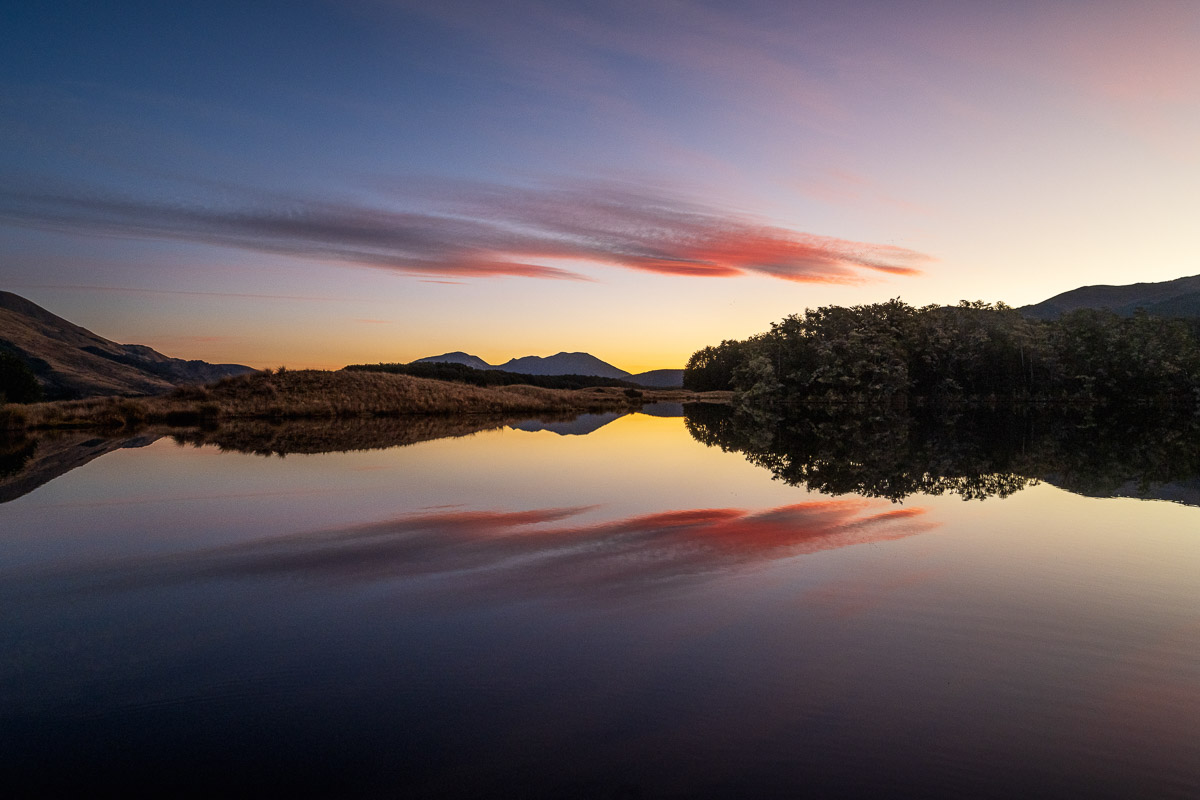
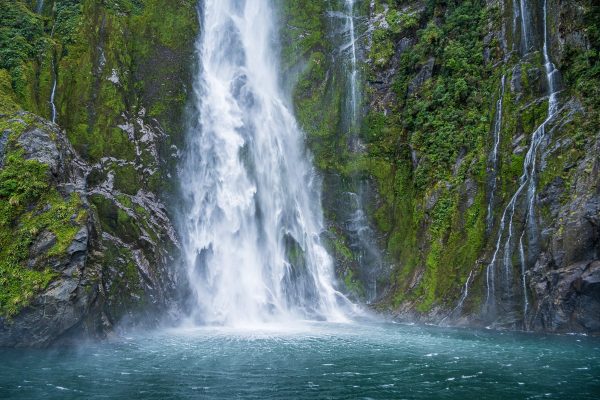
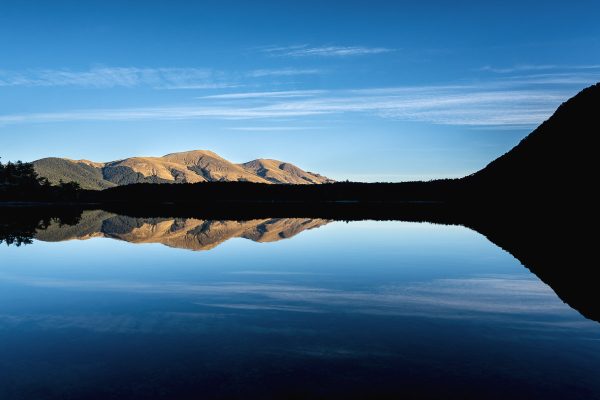
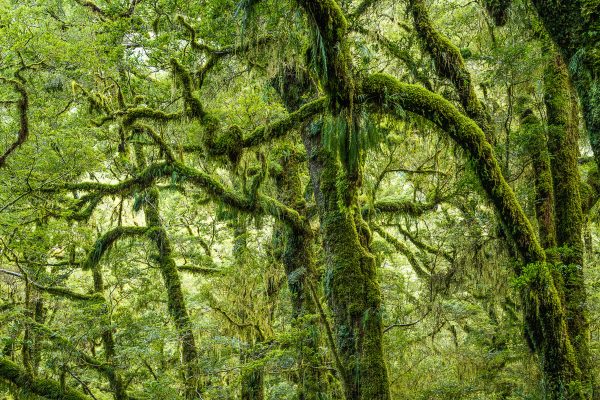
Fiordland is the largest national park in New Zealand and part of the Te Wāhipounamu South West New Zealand World Heritage Area — granite peaks, deep fiords, beech forest and waterfalls, at a scale that is difficult to hold in a single frame. We give a full day to Milford Sound, including time out on the fiord itself by boat, and take the backcountry road into the Mavora Lakes, quiet glacial country on the eastern edge of the World Heritage Area that very few photographers ever reach.
There is no fixed daily plan. Fiordland makes its own weather and we work with it rather than around it, choosing locations each day for the conditions we are given. The workshop starts and finishes in Queenstown and runs with a maximum of five guests.
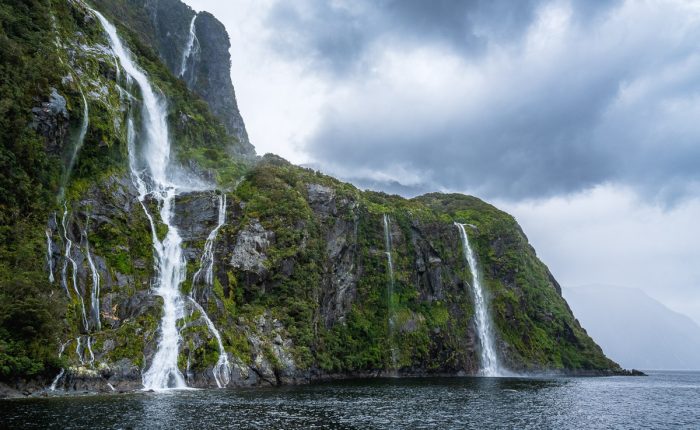
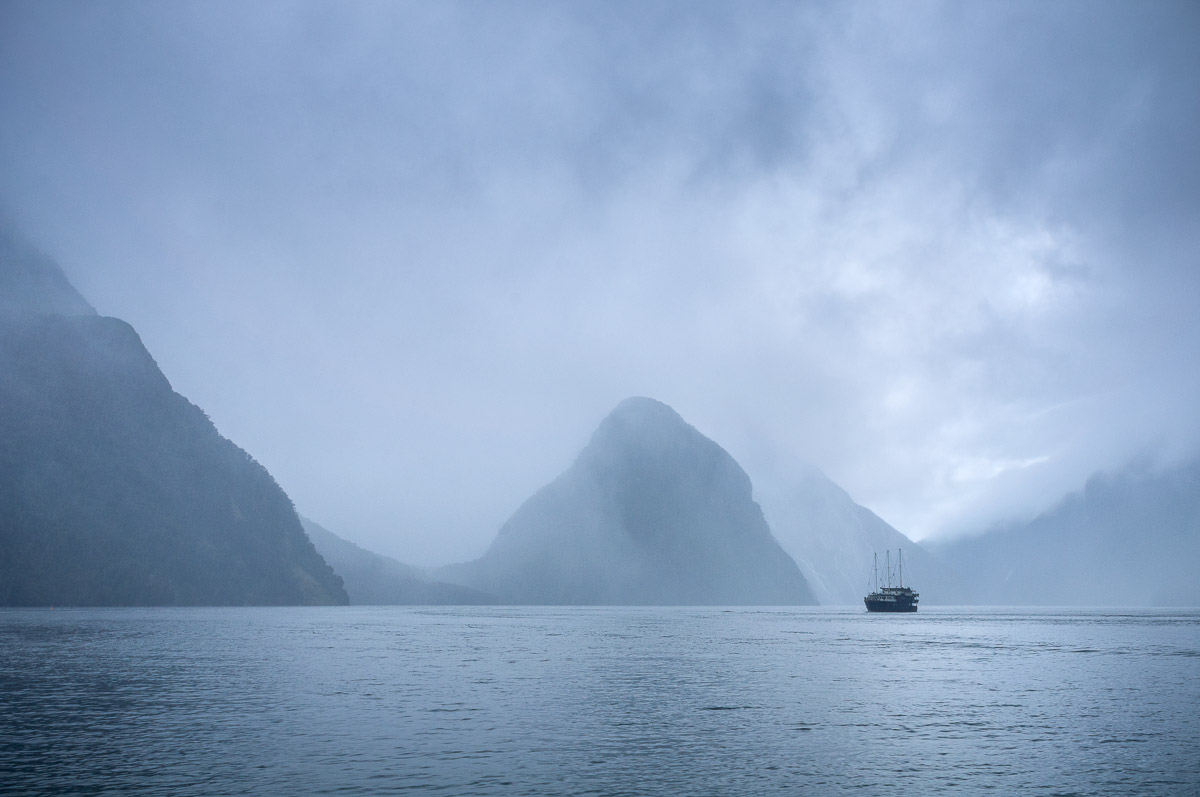
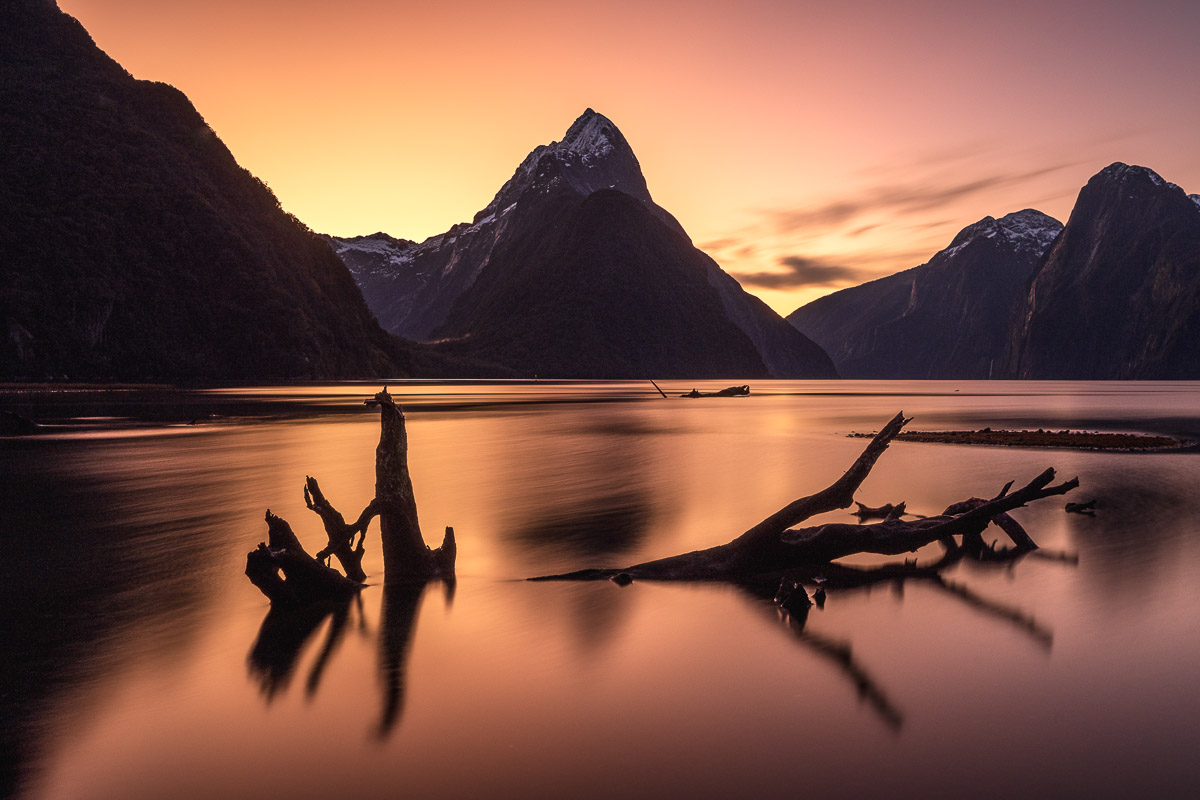
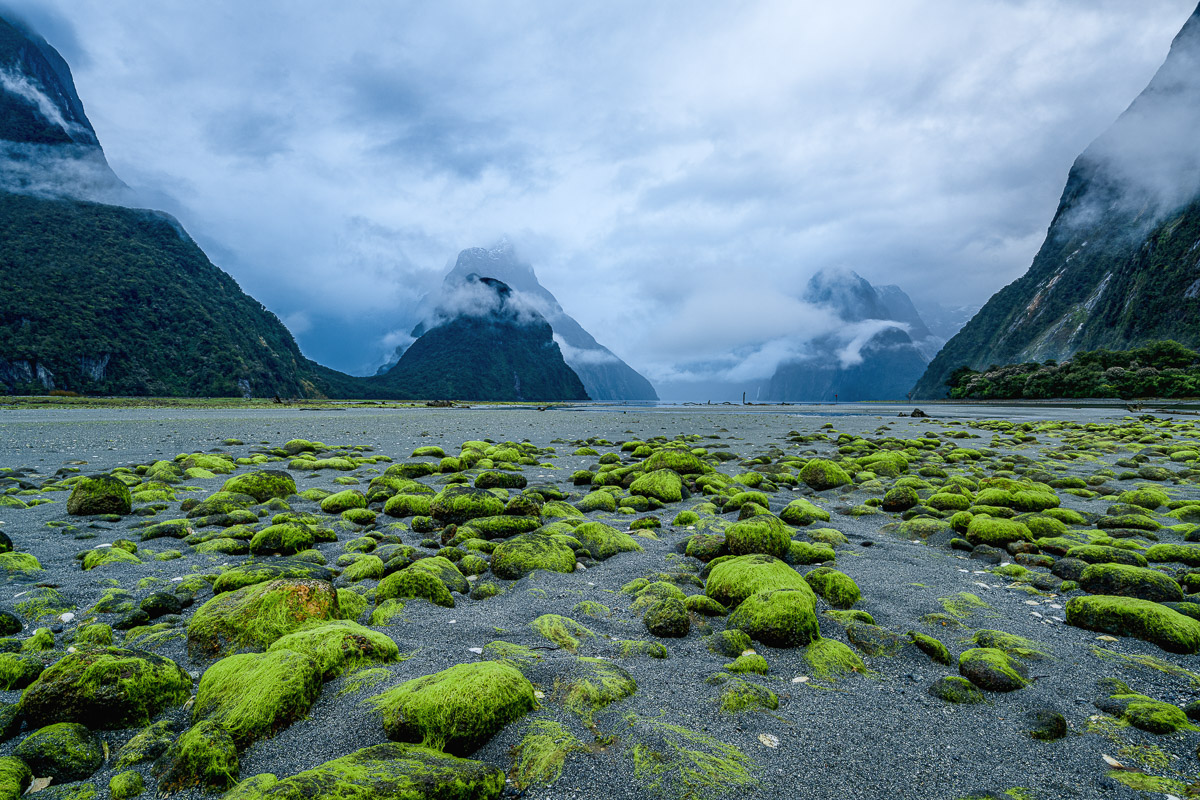
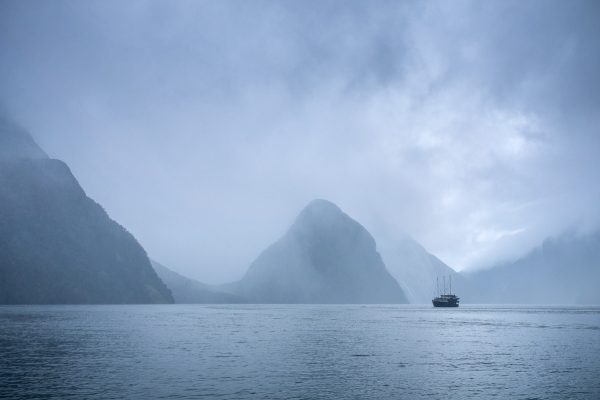
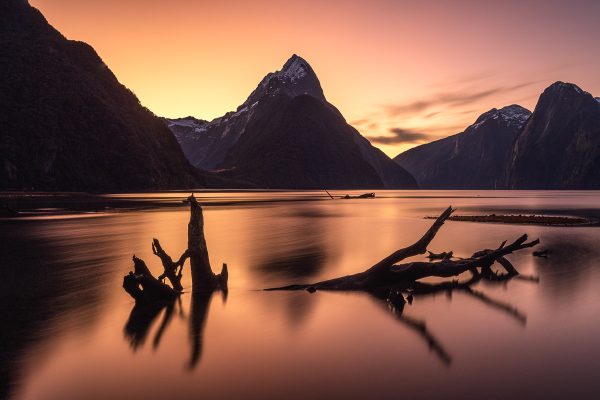
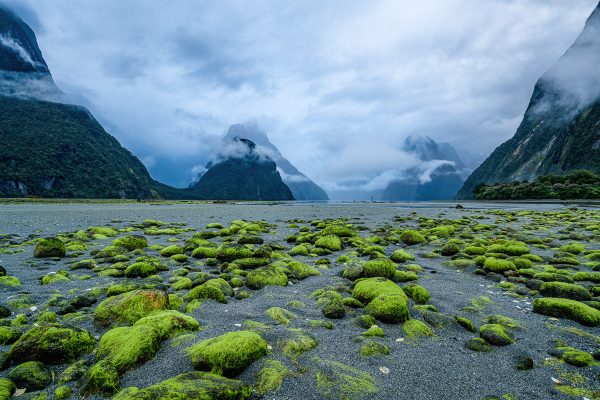
Milford Sound is one of the most photographed landscapes in the world and still one of the hardest to photograph well. You will learn to handle extremes of scale and contrast, working Mitre Peak and the granite faces from the road and from the water, and using lens choice, position and foreground to give a photograph the depth and weight the place has in person.
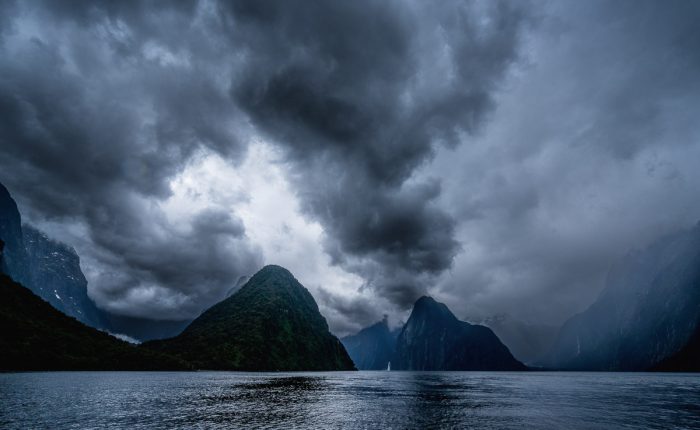
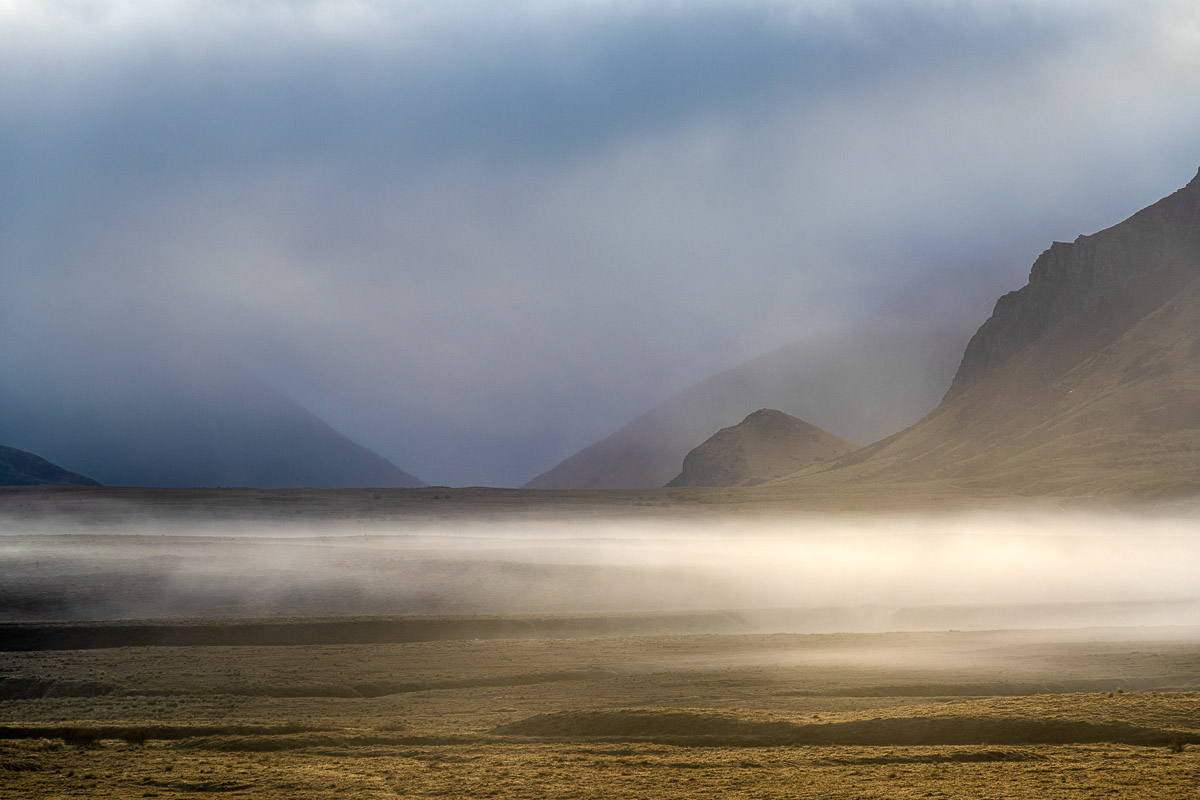
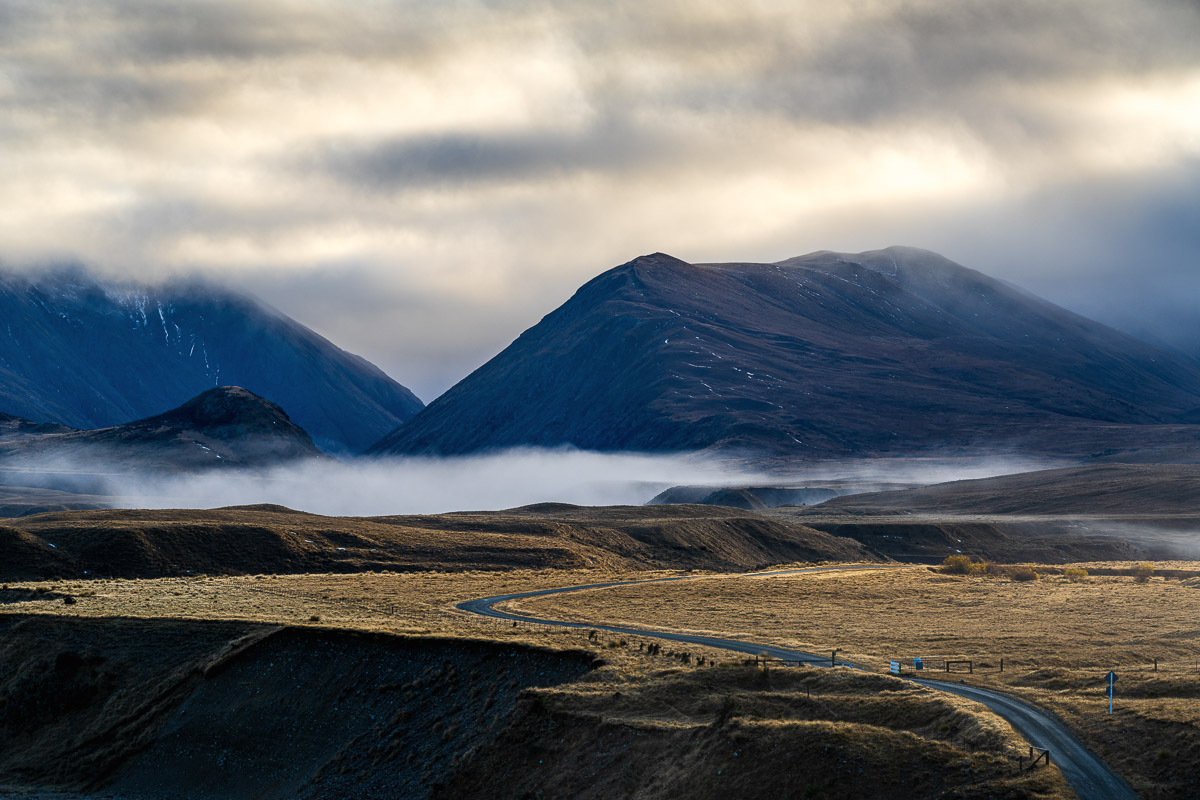
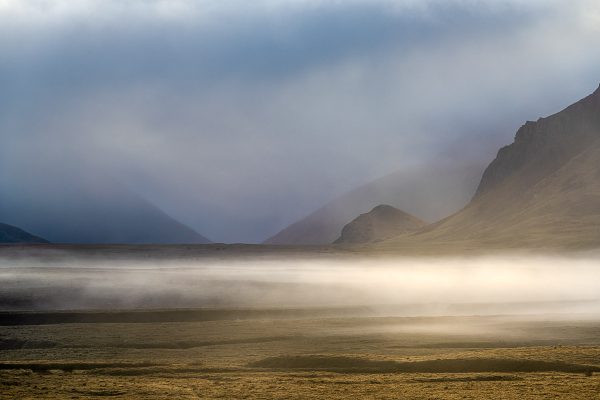
Fiordland’s mood changes as fast as its weather, and a clear blue day is rarely its best one. Rather than waiting for the sky to clear, you will learn to work with what it gives you — soft, diffused light under cloud, drama building ahead of a front, the particular quality of light in the minutes after rain has passed. It is a slower way of seeing, reading a scene for its feeling rather than its subject, using long exposure and composition to hold that atmosphere in a single frame.
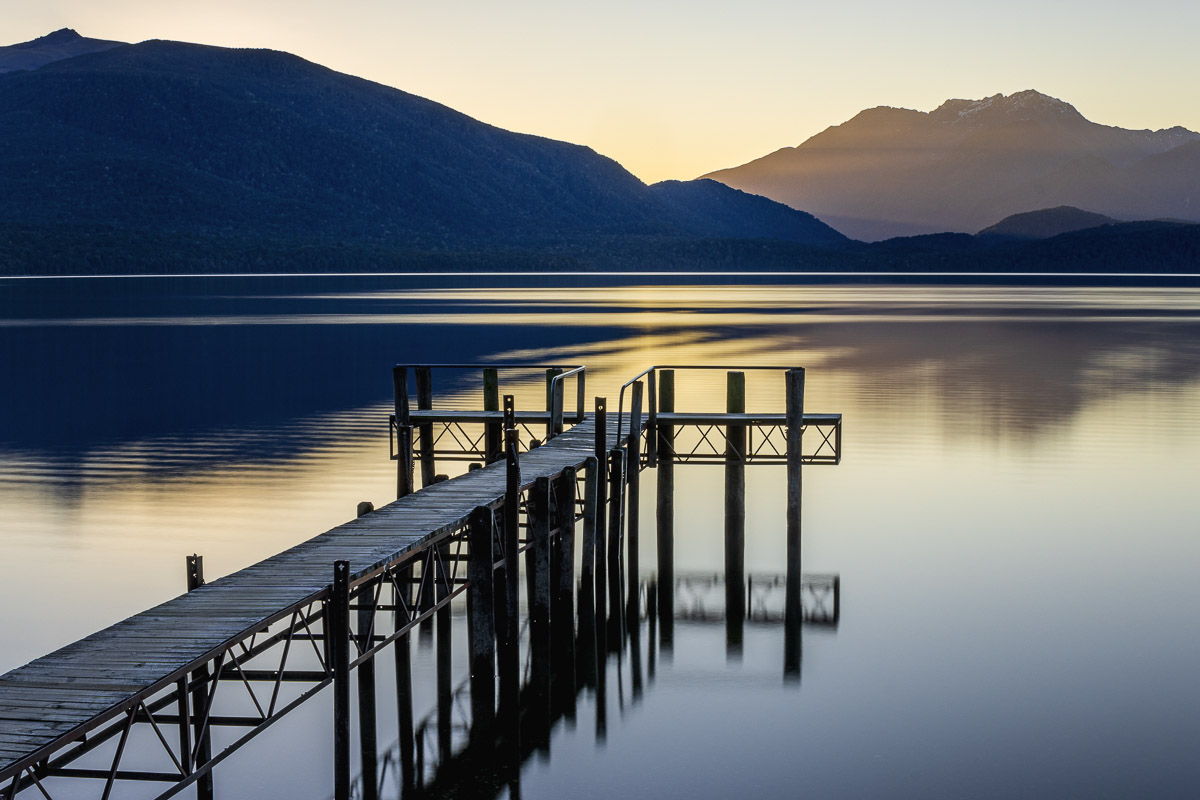
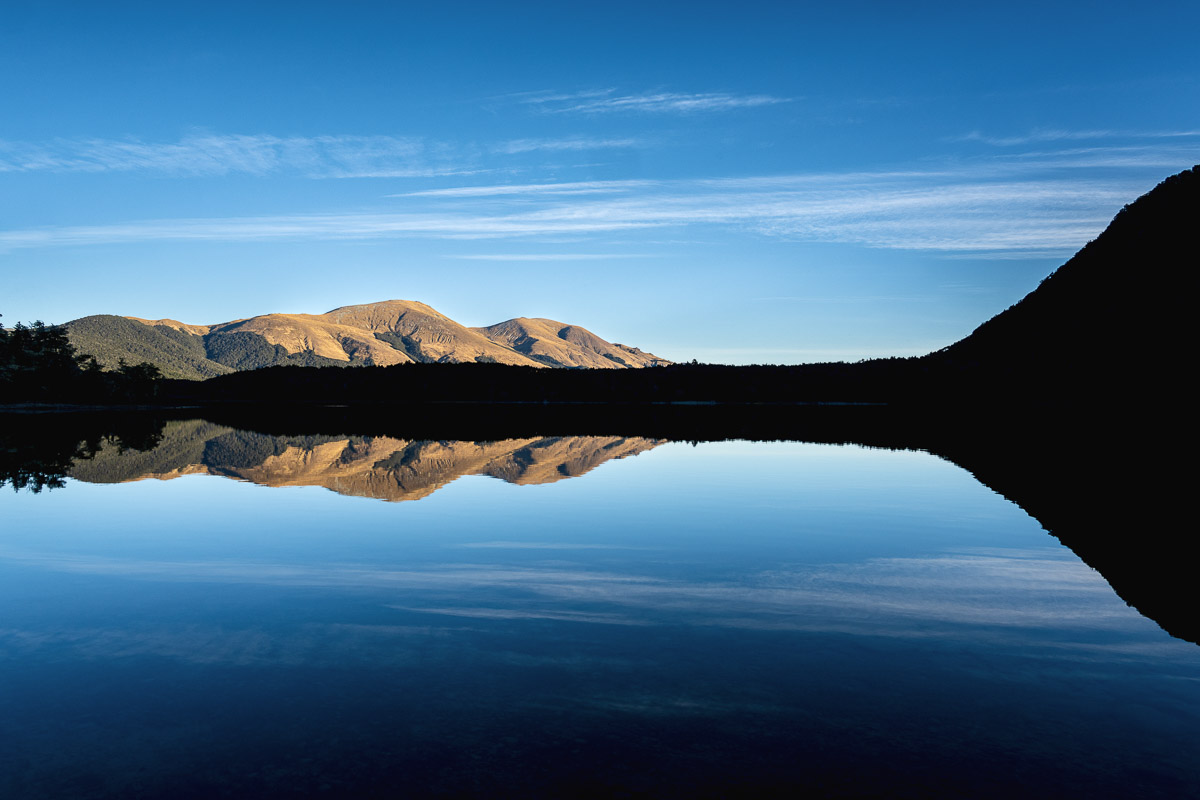
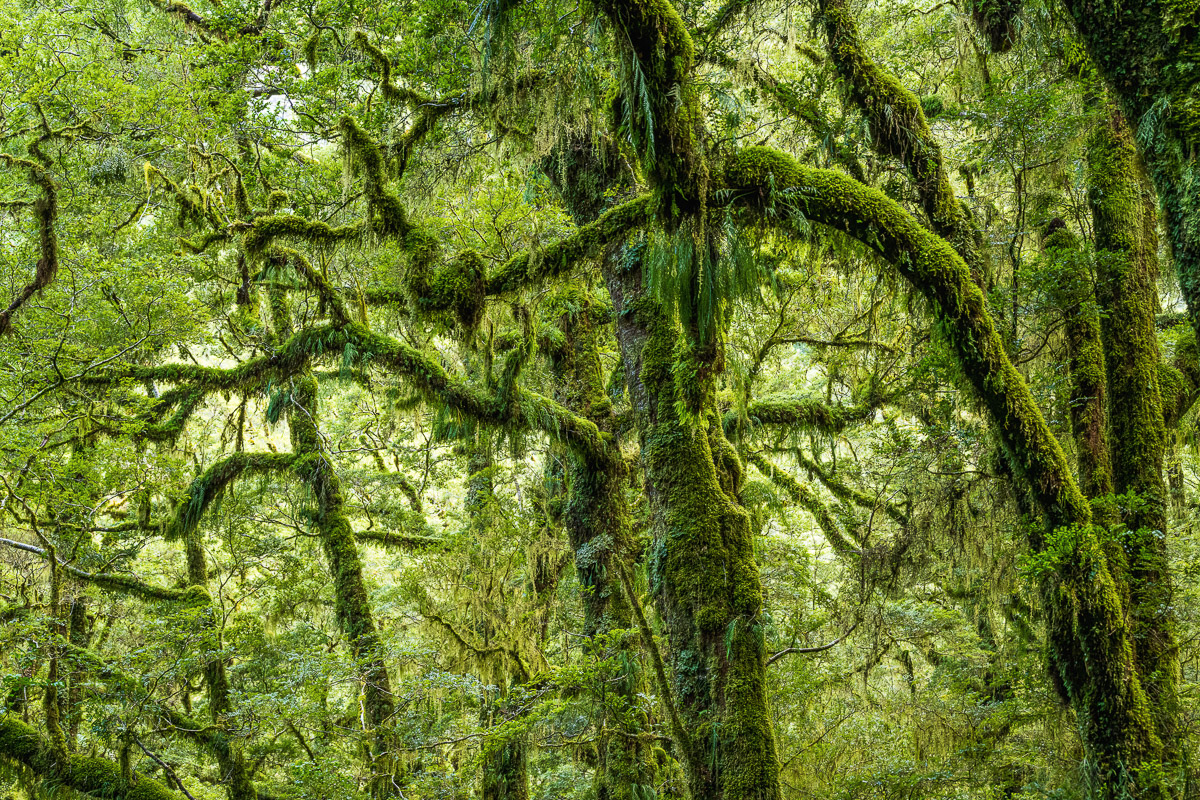
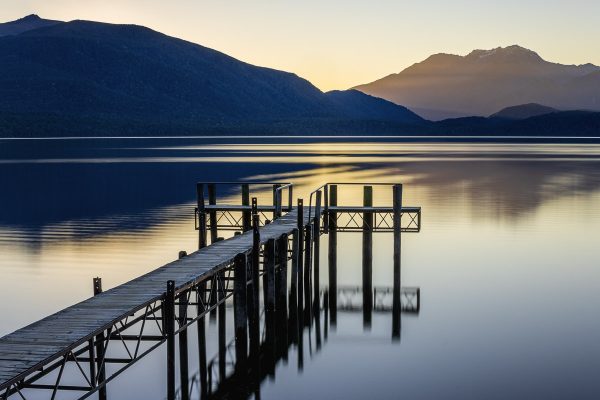
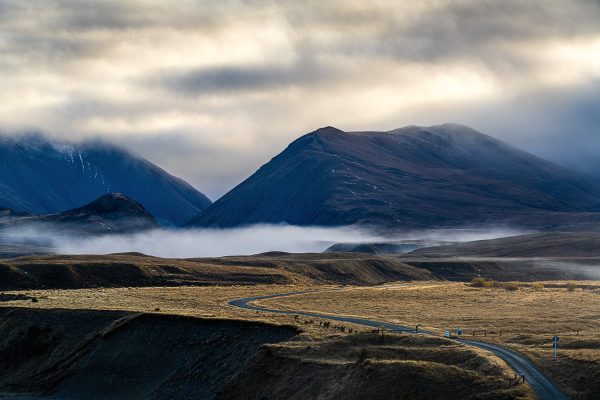
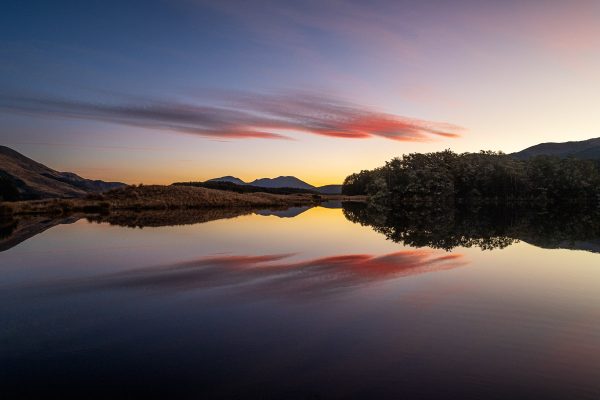
Te Anau sits on the shore of the largest lake in the South Island, at the doorstep of Fiordland National Park. The Milford Road north of the town is a subject in its own right — the open tussock of the Eglinton Valley, mossy beech forest, dark still lakes and mountain walls that rise almost vertically from the roadside. At the end of it is Milford Sound, where Mitre Peak lifts more than a mile straight out of the water and waterfalls fall directly into the fiord. East of Te Anau the country changes completely at the Mavora Lakes, two long glacial lakes held between the Thomson and Livingstone ranges, with red tussock flats and old beech forest under big mountains and almost nobody else there.

Glen has worked as a travel, documentary and landscape photographer for over 30 years. An educator at Massey University and The Photo School, he helps others connect with photography.
13 May 2027: The workshop starts in Queenstown, and we depart early for Te Anau.
For those flying into Queenstown, we recommend flying in the day before the workshop starts. Flights arriving on the morning of the first day are too late, and problematic if they are delayed.
You may also join us in Te Anau if you are travelling independently.
16 May 2027: The workshop finishes in Queenstown. We will arrive back in Queenstown by 2 pm in time for domestic flights departing from 4 pm. Please only book flights after 4 pm, or you will not make it to the airport on time. For international departures, please ensure you plan your flight departure allowing for the required check-in time requested by the airline.
The workshop includes single room accommodation and breakfast each morning.
Dinners are at your own expense, and we will make a booking each evening in a local restaurant
A 15% deposit is required to reserve your space (deposit is non-refundable). The remaining balance is due 90 days prior to the start of the workshop.
Booking and Cancellation Policy: Please click here for our booking and cancellation policy.
Our workshops run with a maximum group size of five. Limiting class sizes ensures we provide you with the best learning environment possible, including expert guidance, instruction and personal attention according to your learning style.
Camera Equipment: Our tours focus on how to use your camera, not your type of camera. A basic list of recommended camera equipment can be found here
Clothing: A list of recommended clothing to bring on the tour can be found here
A minimum level of physical activity is necessary to enjoy this tour. A lot of locations we shoot require a short walk (10-20mins one way) along the forest tracks or the coastline. These are sometimes uphill, over uneven ground, or rocky beaches and you will be carrying your own equipment. If your fitness or mobility is an issue please let us know.